Why should you understand Parody?
One of the major considerations in fair use is whether or not something is a legitimate parody.
I often hear people throw the word parody around with the assumption that anything making fun of anything is a parody, and thus counts as fair use. This isn’t necessarily true, though.
A recent case came up in the area of theater law that I think provides a good illustration of what exactly IS a parody. This should be helpful for game developers who are claiming parody – whether it is or it isn’t.
Parody versus Satire
There is a major distinction that many who claim parody don’t seem to know about: the difference between a parody and a satire.
Here’s the deal:
Parody is the use of someone else’s IP for the purposes of commenting on that particular IP.
Satire, on the other hand, uses someone else’s IP for the purposes of commenting on society in general, or something else other than that specific IP.
In order for something to be a parody, it must use enough of the original work to conjure the image of that original work in the viewer.
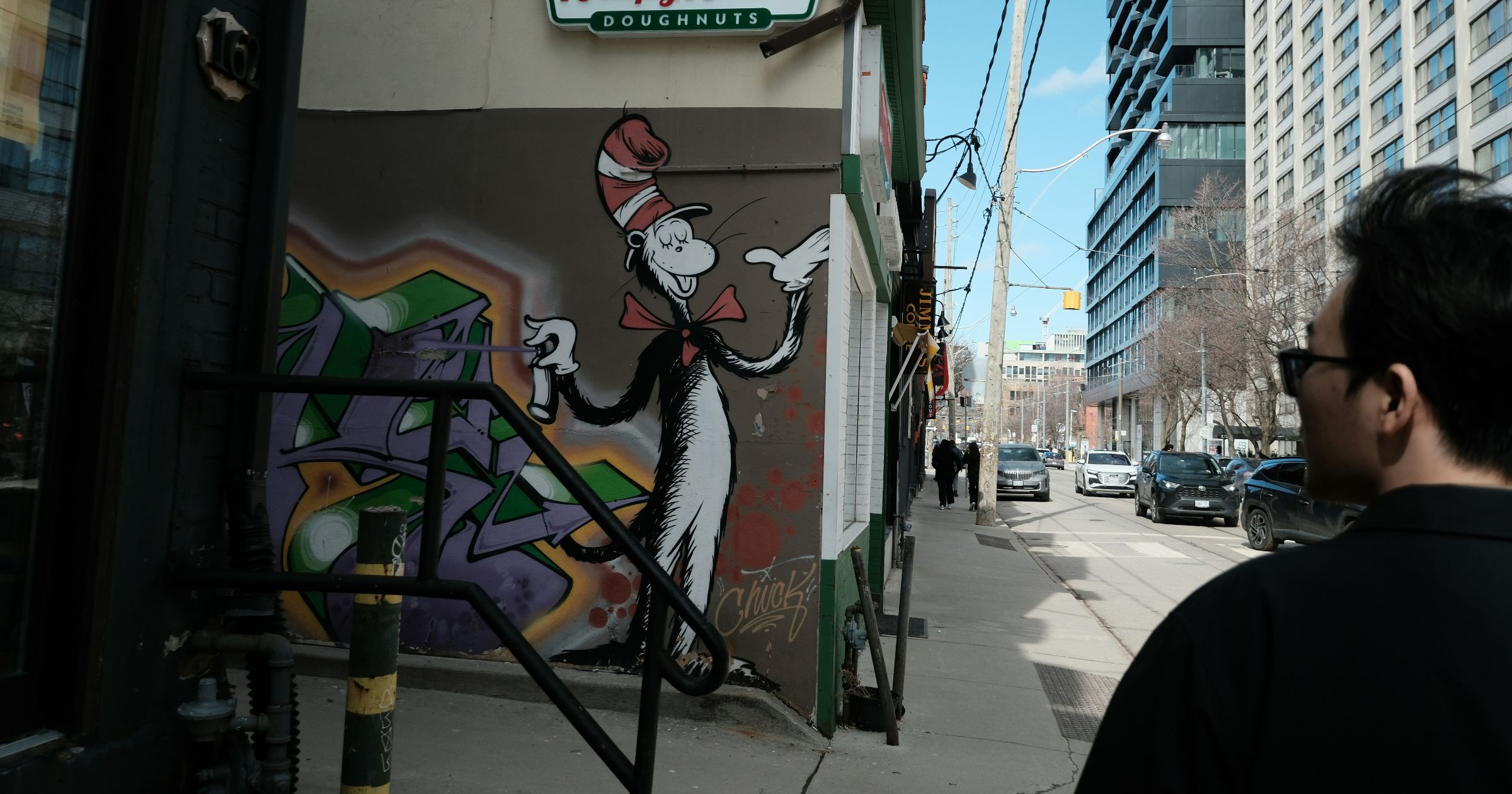
Here’s an example – there is a case where an author used the style of Dr. Seuss to write a book about the OJ Simpson trial.
This was a satire, because the use of Dr. Seuss was not for the purpose of making commentary about Dr. Seuss or his writing or characters. Rather, the author was making comments on the trial.
In order for something to be a parody, it must use enough of the original work to conjure the image of that original work in the viewer. This is why fair use is necessary – you NEED to infringe on the original owner’s copyright in order to make the point.
There also needs to be some kind of commentary or humorous spin on the original work, though courts are pretty generous on this count.
3C versus Three’s Company
So what is an example of a parody?
Recently, a court has decided on this question regarding a play that uses many elements of the 1970s tv show “Three’s Company.”
The play, named “3C,” borrows these elements to make a point about the “ways the television show presented and reinforced stereotypes about gender, age and sexual orientation.”
The owners of the Three’s Company rights, however, claimed that the play had stolen the heart of the original work, along with its themes and characters. It, they claimed, was simply a “poor adaptation” of the original Three’s Company show.
Even though many elements were copied that weren’t necessarily parodied, the overall use was a parody.The judge found in favor of the playwright, noting that 3C uses the elements of the original show to make “something new,” and “to turn Three’s Company’s sunny 1970s Santa Monica into an upside-down, dark version of itself.”
This commentary on the original show’s themes and premise led the judge to rule that the use was transformative. Even though many elements were copied that weren’t necessarily parodied, the overall use was a parody.
For more information about this case, check out this article from The Hollywood Reporter.
Want to handle this yourself, without hiring a lawyer?
Speedrun Legal is a 44-lesson course covering contracts, trademarks, copyright, LLCs, and publishing deals — built for indie devs on a budget. Includes a Contract Generator and AI publishing-deal review tool.
Parody in trademark law: the Jack Daniel’s fight
Everything above is about copyright. Parody shows up in trademark law too, and the most important recent example is a fight over a dog toy.
VIP Products makes a squeaky toy called “Bad Spaniels” that parodies a Jack Daniel’s whiskey bottle, right down to a “43% POO BY VOL.” joke. Jack Daniel’s sued.
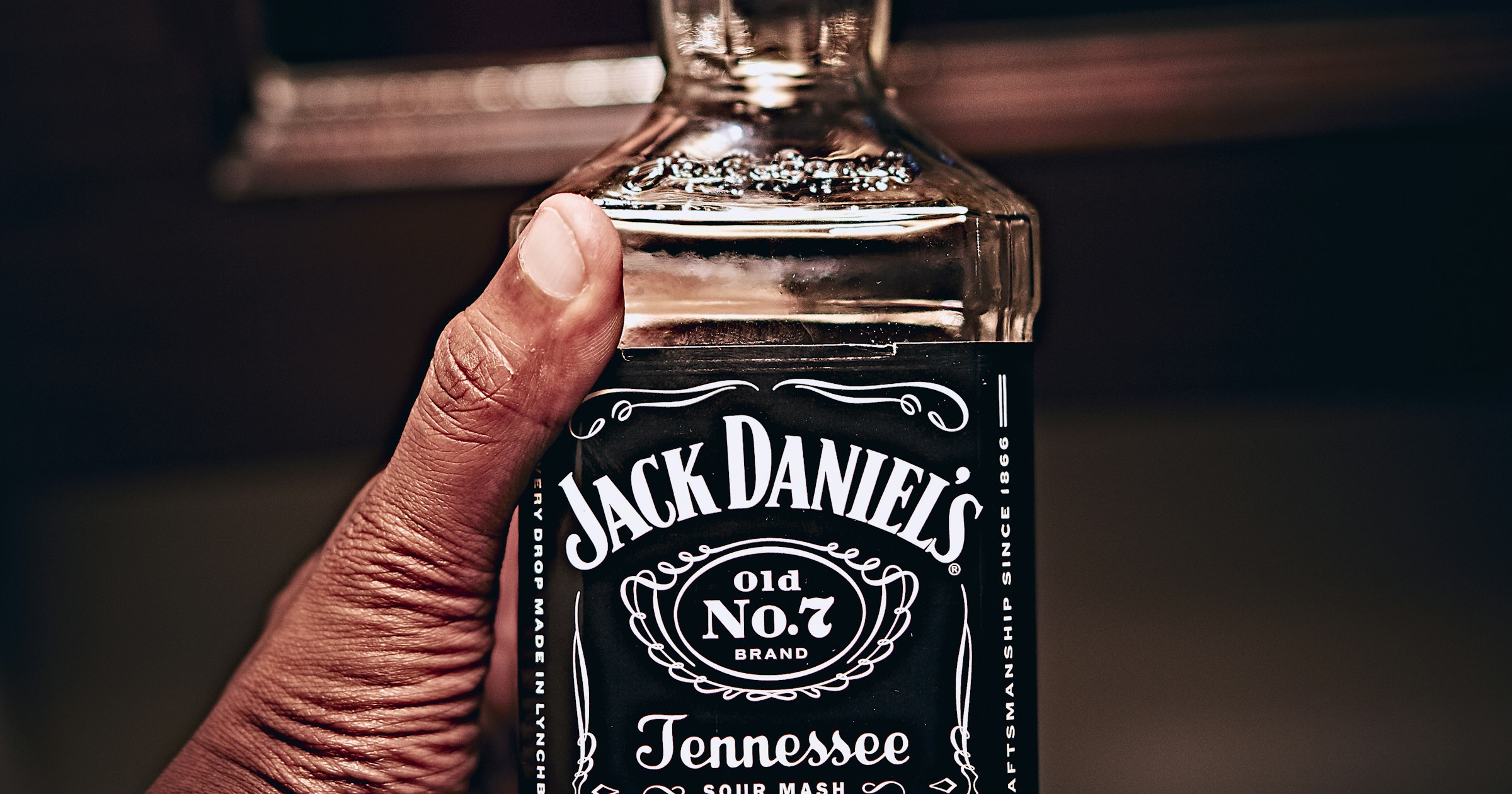
In 2023, the Supreme Court closed two doors for VIP. When you use someone else’s mark as the name of your own product, you lose the First Amendment shortcut that normally protects expressive works, and the “noncommercial use” excuse for parody goes away too. Putting the joke on the box is legally riskier than putting it inside your game.
That is where most people stop reading, and it is why so many clients now assume parody is dead. It isn’t.
On August 4, 2026, the Ninth Circuit handed VIP the win. Three points matter if you make parody games or merch:
- Fame gets proven one mark at a time. Jack Daniel’s proved its name and bottle were famous, but not every element it claimed, so the weakest pieces of its case fell away.
- A negative association is not the same as reputational harm. A poop joke on a chew toy is not proof the brand was actually tarnished.
- Parody counts again, as a factor. A good parody says two things at once: this is the famous brand, and this is obviously not it. A court gets to weigh that.
The practical read: parody products are not dead, but they are not automatically safe. If a joke is core to your product’s identity, get the name cleared before you commit art and marketing to it, not after a cease and desist shows up.
If you need help understanding whether your work would qualify as a parody or a satire, why not contact a game lawyer?